Monitor or electronics housing
Try firstABS
- Knocks
- Seen and handled
- Warmth from electronics
A standard ABS use [4]; the scratch-resistant finish lasts [1].
 Enquire
VSApplications · Three resins
ABS, PS and HIPS are three steps of toughness in one family of styrenic plastics. General-purpose PS is hard, glossy and clear but brittle, so it suits parts not expected to take impact. HIPS adds rubber to polystyrene for better impact strength and is common in appliance parts. ABS is tougher again, shiny and scratch-resistant, used for housings and motorbike covers. Dayatas Profab sells all three for injection moulding.
Last reviewed 25 October 2026
SC.01
Start from what the part must survive, then from how it must look; the chapters below take toughness, finish, chemicals, heat and sunlight in turn. Dayatas Profab sells all three resins to injection moulders: ABS resin from Dayatas Profab, PS resin and HIPS resin, side by side on the resin overview.
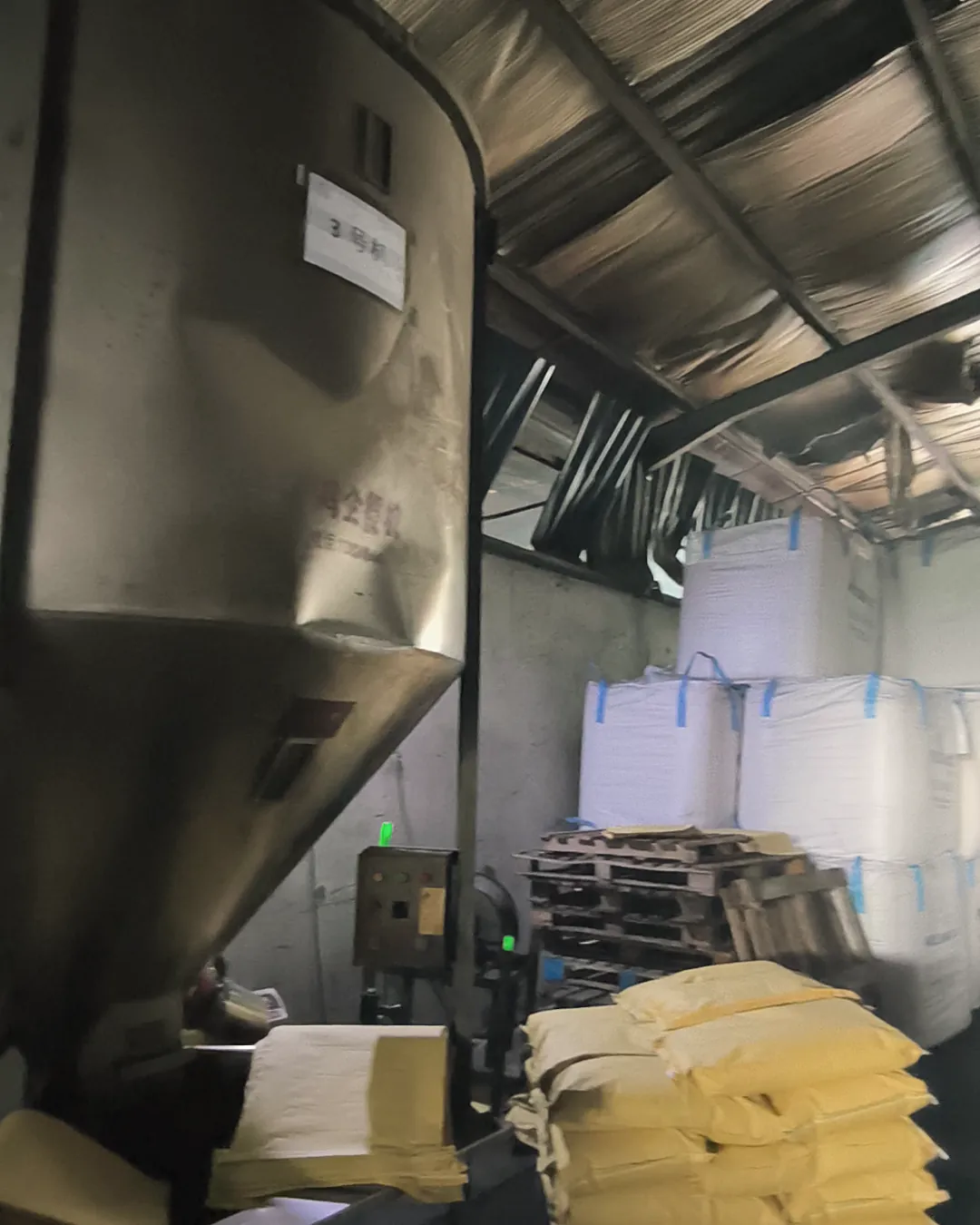
Dayatas Profab's ABS is recycled pellet, made in Malaysia, packed in 25 kg bags; for PS and HIPS, ask us for the current grade, its form and packing.
→Start here
SC.02
ABS, PS and HIPS are all styrenic plastics: styrene is the backbone of each, and what is added to it decides how the resin behaves [1]. The diagram reads from the simplest to the most complex.
Styrenethe polystyrene matrix+Polybutadienea rubber phase, dispersed
The rubber improves impact strength [2]
Acrylonitrilechemical resistance, hardness, rigidity+Butadienetoughness+Styreneshiny surface, easier processing
Each part adds a property [3]
HIPS is made by polymerising styrene with polybutadiene dissolved in it, which leaves a polystyrene matrix with a rubber phase dispersed through it [2]. ABS is made by polymerising styrene and acrylonitrile in the presence of polybutadiene [3]. Because all three share the styrene backbone, moulders weigh them against each other on what a part must survive and how it must look. Dayatas Profab sells all three of these styrenic resins for injection moulding.
SC.03
Toughness is where ABS, PS and HIPS differ most. General-purpose PS is clear, hard and brittle [2]: a PS part holds its shape, but a sharp knock can crack it. HIPS adds rubber dispersed through the polystyrene, which improves impact strength [2]; INEOS calls HIPS the more durable polystyrene, used in refrigerators [1]. In ABS, butadiene gives toughness while acrylonitrile and styrene keep the part hard, rigid and glossy [3].
Notched Izod impact at 23 °C, ISO 180/1A Example grades from other producers, not Dayatas Profab values
Datasheets give toughness as notched impact strength: Izod to ISO 180 or ASTM D256, or Charpy to ISO 179; compare grades only on the same test. For a part that will be dropped, clipped or screwed down, start the shortlist at HIPS or ABS.
SC.04
Finish often decides between resins that would all survive a part's life. Monitor housings, one of the products moulders make with Dayatas Profab's resin, have to look finished straight out of the tool and stay that way.
For any visible part, ask which colours a grade comes in and whether the finish you need has been run on it before. With a recycled grade, ask as well how colour holds from one lot to the next; recycled vs virgin ABS explains why.
SC.05
Chemicals, heat and sunlight decide whether a part lasts; the grid sets the three resins against each. For heat, the glass transition is where the polymer itself softens; for a part that carries a load, compare the heat deflection temperature, the temperature at which a test bar bends under a set load [14], measured at the same load.
Chemicals
PSAttacked by many organic solvents, such as acetone and aromatic hydrocarbons [2]
HIPSAs a polystyrene, HIPS is attacked by the same solvents [2]; stress-crack-resistant grades exist for fridge liners [8]
ABSResists aqueous acids and alkalis; dissolves in ketones and esters [3]
A motorbike cover, one of the parts moulders make from Dayatas Profab's resin, lives outdoors: settle the sunlight question before choosing the grade.
SC.06
The table runs from the least to the most tough resin. Its lower rows are example values from one published grade of each, made by other producers, not Dayatas Profab's values. Price is left out: resin prices move with the market, the grade and the order, so ask Dayatas Profab for a current quote.
| Property | PSGeneral-purpose polystyrene | HIPSHigh impact polystyrene | ABSAcrylonitrile butadiene styrene |
|---|---|---|---|
| What it is | Polystyrene | Polystyrene with a dispersed rubber phase | Acrylonitrile, butadiene and styrene |
| Impact toughness | Brittle | Better: the rubber phase | Tough: butadiene |
| Clarity and surface | Clear; high gloss on crystal grades | Hazier than PS; matt grades offered | Shiny, scratch-resistant |
| Chemicals | Attacked by many organic solvents | As a polystyrene, the same solvents; stress-crack-resistant grades exist | Resists aqueous acids and alkalis, not ketones or esters |
| Heat | Glass transition about 100 °C | Example grade: heat deflection close to PS (below) | Glass transition about 105 °C |
| Outdoors (UV light) | Photo-oxidises unless stabilised | As PS | Yellows and turns brittle unless protected |
| Processing | Easy to process [1] | Easy to process [1] | Most often injection-moulded [4] |
| Typical moulded parts | Cutlery, CD cases, boxes, office equipment [2, 5] | Television housings, refrigerator parts, toys [6] | Electronics housings, motorbike covers, appliances [4, 1] |
| From Dayatas Profab | Ask for the current grade, its form and packing | Recycled pellet, made in Malaysia, 25 kg bags | |
| Example datasheet values: one published grade of each, from other producers; not Dayatas Profab values PS [5] · HIPS [6] · ABS [7] | |||
| Density, ISO 1183 [13] | 1.05 g/cm³ | 1.04 g/cm³ | 1.04 g/cm³ |
| Notched Izod at 23 °C, ISO 180/1A [10] | Not given on this sheet | 9.5 kJ/m² | 21 kJ/m² |
| Heat deflection at 1.8 MPa, ISO 75 [14] | 73 °C, unannealed | 68 °C, unannealed | 94 °C |
| Melt flow, ISO 1133, at the material's own conditions [9] | 12 g/10 min at 200 °C, 5 kg | 11.5 g/10 min at 200 °C, 5 kg | 19 cm³/10 min at 220 °C, 10 kg |
SC.07
Start from the part, not the polymer: each card lists what a common part has to cope with and the resin to try first. Monitor housings and motorbike covers are two of the products moulders make with Dayatas Profab's resin.
Try firstABS
A standard ABS use [4]; the scratch-resistant finish lasts [1].
Try firstABS
Try firstHIPS
The durable polystyrene of refrigerators [1]; liner grades resist stress cracking and cold [8].
Try firstPS
Clear and hard but brittle [2]; a typical PS injection use [5].
When you write to Dayatas Profab, name the part, what it must survive, the finish, the quantity and the destination port. By application, see what moulders make with ABS, PS and HIPS; at length, ABS, PS or HIPS: which resin for an injection-moulded part.
SC.08
Whichever resin you choose, the decision is made on the grade's datasheet and confirmed on the lot you buy. Four values come first.
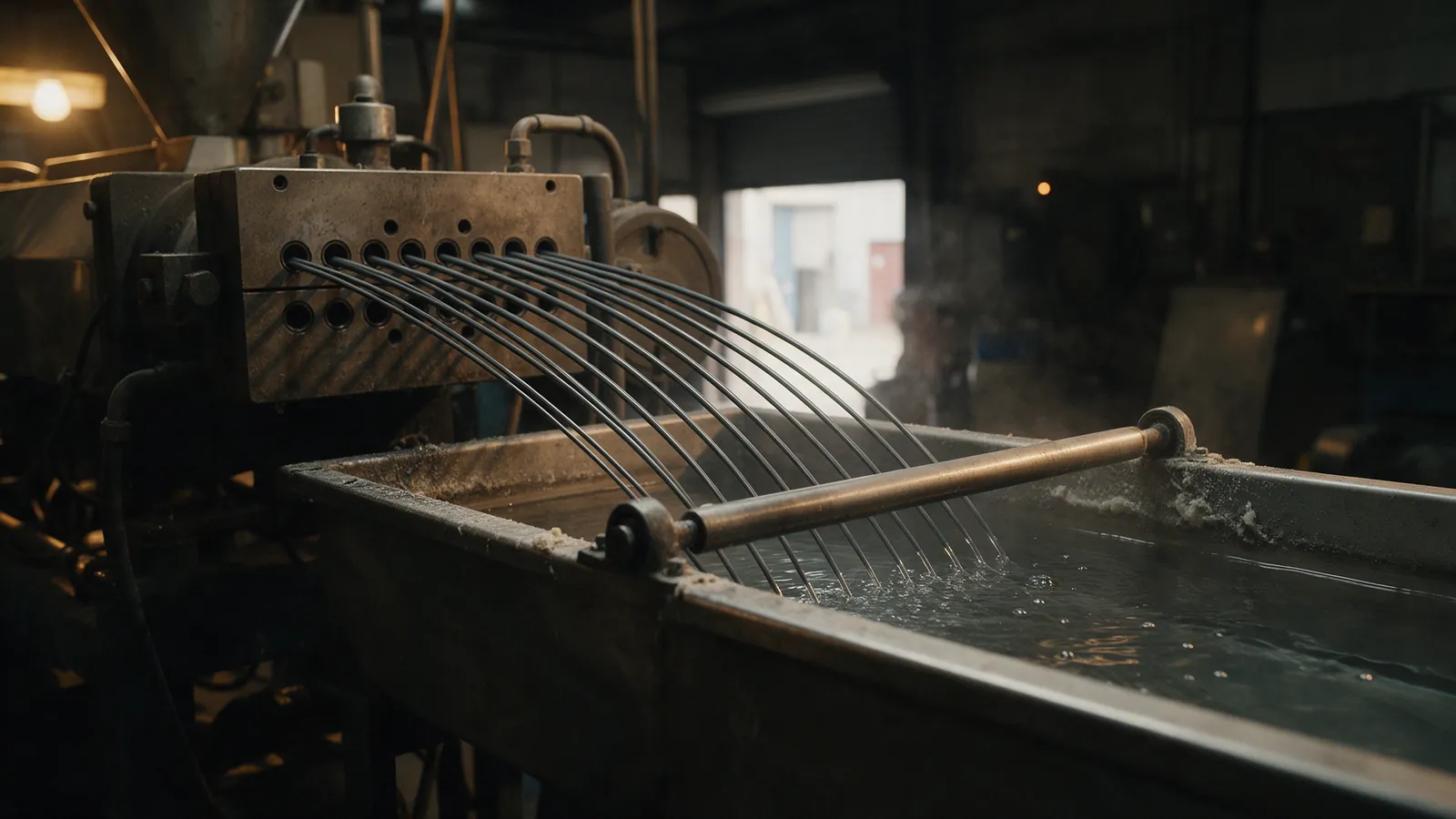
Melt flow cannot be ranked across the three resins: the example datasheets test ABS at 220 °C and 10 kg, the polystyrenes at 200 °C and 5 kg. Dayatas Profab's spec sheets for ABS, PS and HIPS are to come; until then this site quotes no value for Dayatas Profab's resin. Quality and documents explains each document; the glossary defines melt flow, Izod impact and density; see also the FAQ and Insights.
REF
Last reviewed 25 October 2026
Two doors into Dayatas Profab A · buyers of resin B · suppliers of scrap