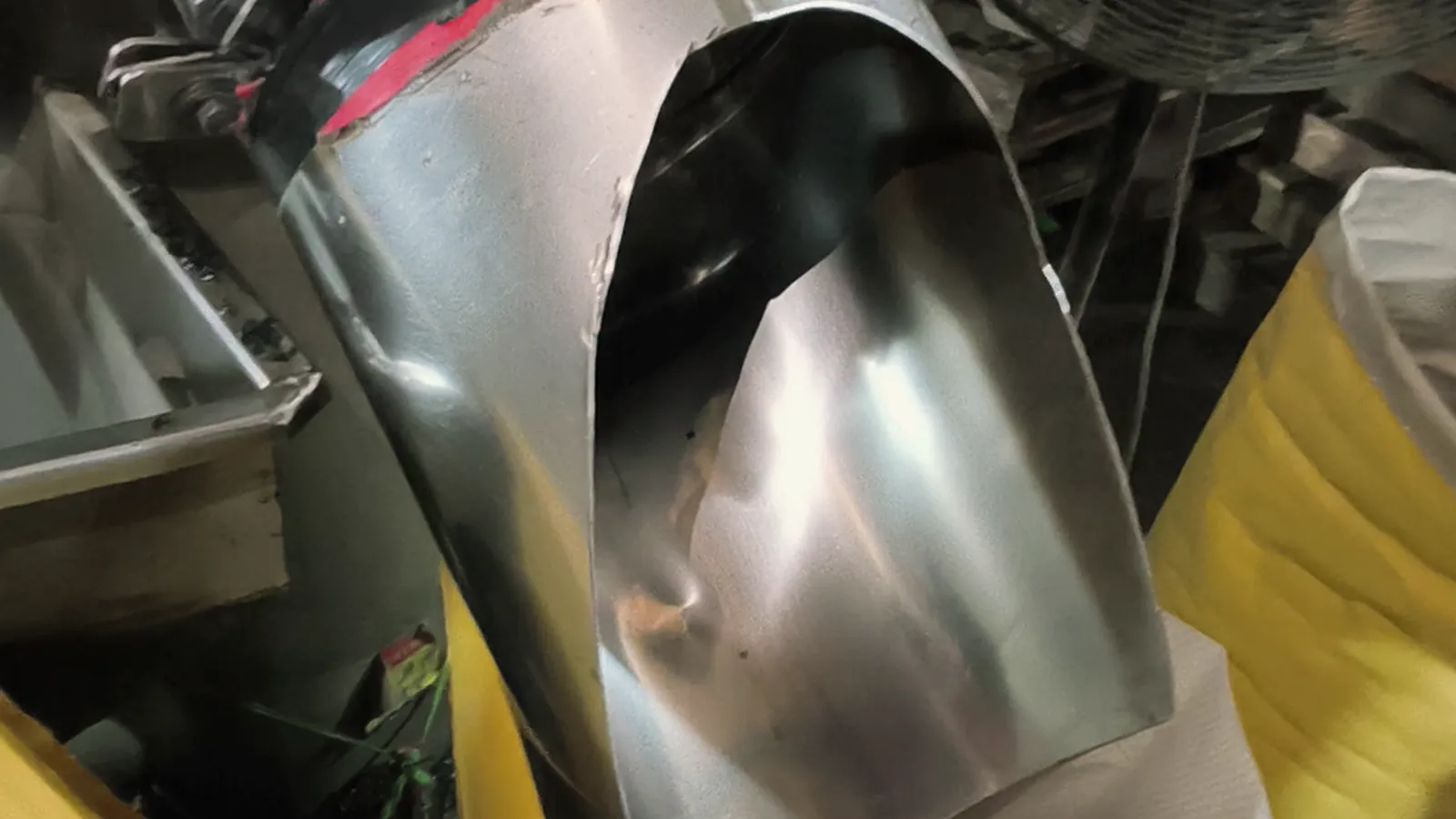
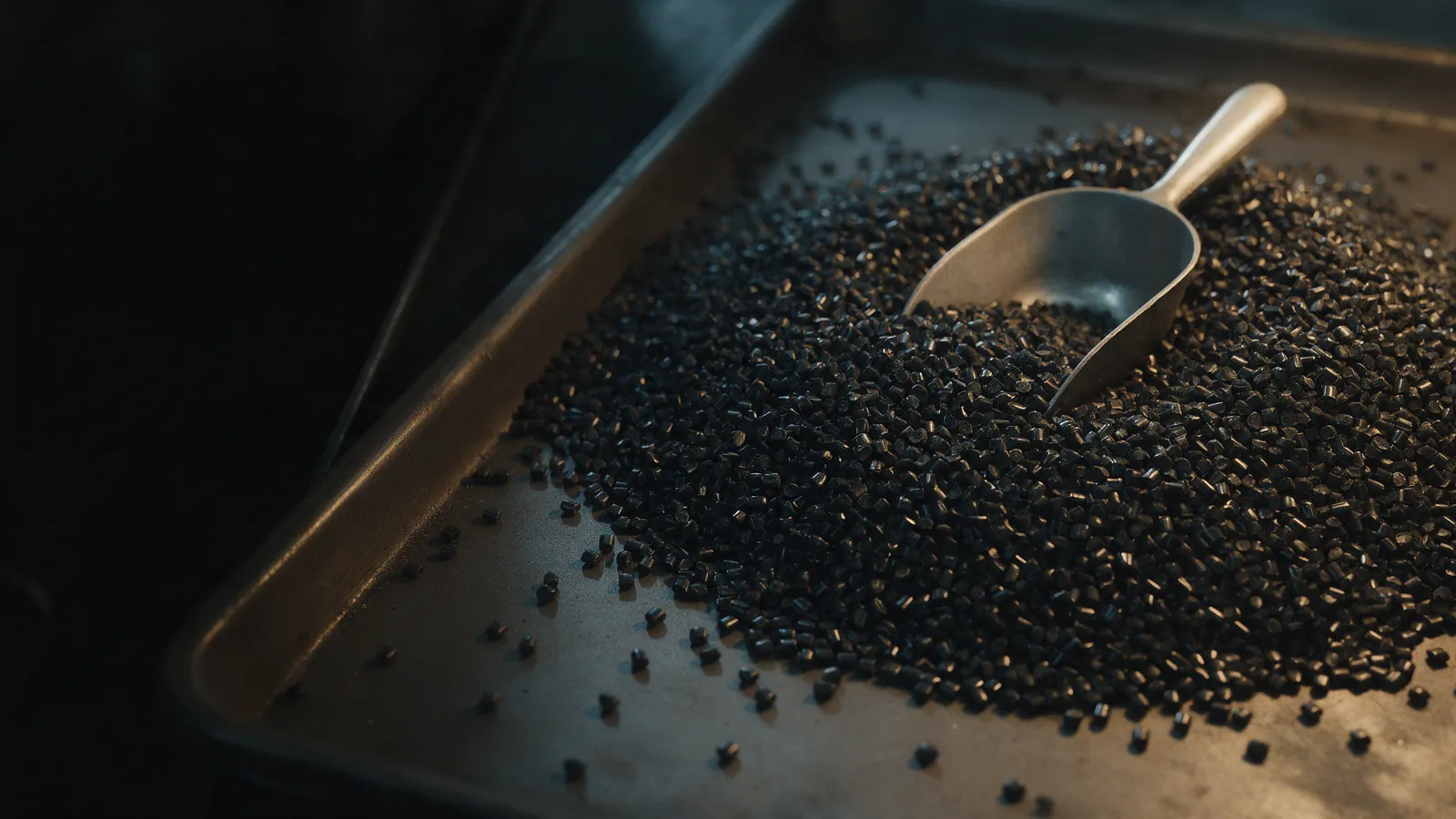
Black recycled ABS pellets heaped on a steel tray with a hand scoop (illustration)Pellets · illustration
Illustration: recycled ABS pellets

DPResin · ABS · PS · HIPS

ABS, PS and HIPS resin for injection moulding.

Resins
ABS, PS, HIPS
ABS
Recycled pellet, made in Malaysia
ABS packing
25 kg bags
PS and HIPS
Form and packing being confirmed
Process
Injection moulding
Buyers
Worldwide, incl. China & India

Last updated

Dayatas Profab supplies recycled ABS pellets for injection moulding, made in Malaysia and packed in 25 kg bags, and sells PS and HIPS resin as well. Moulders use these resins for parts such as monitor housings and motorbike covers. Dayatas Profab sells to buyers all around the world, including China and India. Its spec sheets, test reports and certification are to come.

On this page6

SC.01

Which resins does Dayatas Profab sell to injection moulders?

Dayatas Profab sells three styrenic resins to injection moulders: ABS, PS and HIPS. The panels below set out what is on record for each, resin by resin, and each one links to a page of its own.

Dayatas Profab's ABS is the resin in the printed bags at the end of its production film: recycled pellet, made in Malaysia and packed in 25 kg bags printed "ABS RECYCLED PELLET / MADE IN MALAYSIA / NET WEIGHT 25KG". For PS and HIPS, the form, the packing, the colours and whether each is recycled or virgin are being confirmed, so each panel says so in one line rather than guess. Spec sheets for all three resins are to come, which is why no datasheet value appears in the panels; the documents chapter further down explains what a datasheet should show.

Printed on the bag

ABS RECYCLED PELLETMADE IN MALAYSIANET WEIGHT 25KG

Resin · ABSNet · 25 kg

The print on Dayatas Profab's ABS bags, as it appears in the production film

ABSResin 01

Acrylonitrile butadiene styrene

ABS in general is valued for strength, scratch resistance and finish, and goes into electronics housings, automotive parts and household appliances.

Form
Recycled pellet
Made in
Malaysia
Packing
25 kg bags
Process
Injection moulding

Being confirmedColours

PSResin 02

Polystyrene

Polystyrene in general is valued for how easily it processes, and goes into electronics, household appliances and toys.

Process
Injection moulding
Sold to
Buyers worldwide

Being confirmedForm, packing, colours, and whether it is recycled or virgin

HIPSResin 03

High impact polystyrene

HIPS in general is the more durable kind of polystyrene, for parts that take knocks, and goes into household appliances such as refrigerators.

Process
Injection moulding
Sold to
Buyers worldwide

Being confirmedForm, packing, colours, and whether it is recycled or virgin

More resins will be added to this page.

SC.02

What do moulders make with ABS, PS and HIPS?

Sources 1, 2

Moulders use Dayatas Profab's resin for parts such as monitor housings and motorbike covers. Both are injection-moulded shells: they must hold their shape, take a screw or a clip, and look finished straight out of the tool.

Beyond those two parts, each resin has its own territory. Injection moulding is the most common way ABS parts are made, and ABS goes into electronics housings, automotive parts and household appliances, where its strength, scratch resistance and finish count. HIPS is the more durable kind of polystyrene and goes into household appliances such as refrigerators. Polystyrene is easy to process and goes into electronics, household appliances, toys and disposables. Part by part, the comparison is on what moulders make with ABS, PS and HIPS.

→Parts moulded in Dayatas Profab's resin

  • Monitor housingsA shell that takes screws and clips and must look finished straight out of the tool
  • Motorbike coversA cover that has to hold its shape and take the knocks of the road
What each resin is generally used for (sources 1 and 2)
ResinKnown forTypical uses
ABSStrength, scratch resistance and an attractive finishElectronics housings and enclosures, automotive parts, household appliances; injection moulding is the most common way ABS parts are made
PSEasy to process; general-purpose, or crystal, PSElectronics, household appliances, toys and disposables
HIPSThe more durable kind of polystyreneHousehold appliances, for example refrigerators

SC.03

Is Dayatas Profab's resin recycled or virgin?

Sources 3, 4

Dayatas Profab's ABS is recycled: its bags are printed "ABS RECYCLED PELLET". Whether Dayatas Profab's PS and HIPS are recycled or virgin is being confirmed.

ABS and polystyrene are thermoplastics: they melt when heated and harden again as they cool, so they can be reshaped over and over, which is what makes them mechanically recyclable. The heat of reprocessing can degrade the polymer, so with recycled resin a moulder's question is consistency from one lot to the next.

Consistency starts with the input: mixed or dirty scrap is one of the things that makes a recycled resin's properties wander. In Dayatas Profab's production film the scrap is crushed, washed and sorted before it is extruded. What Dayatas Profab can show today is that process itself, on film. How recycled and virgin resin compare is set out on recycled vs virgin resin.

Resin pellets running from a steel spout into a 25 kg bagBagging
Own footage: pellets run from the spout into a 25 kg bag

SC.04

How is Dayatas Profab's resin made, from scrap to pellet?

Buyers in Europe and America ask a lot for video of the production. Dayatas Profab's own production footage shows these steps: plastic scrap heaped in the yard, a loader tipping crushed flakes onto the stockpile, the washing line, the sorting machine and sorted flakes running into bulk bags, molten strands leaving the extruder into cooling water, fresh pellets crossing a vibrating sieve, pellets running from a silo into bags, and bagged resin stacked in the warehouse.

The line below logs those stations one by one. Every step, with its own clip and what happens to the plastic there, is on how Dayatas Profab's resin is made, and the 31-second production film plays on quality and documents.

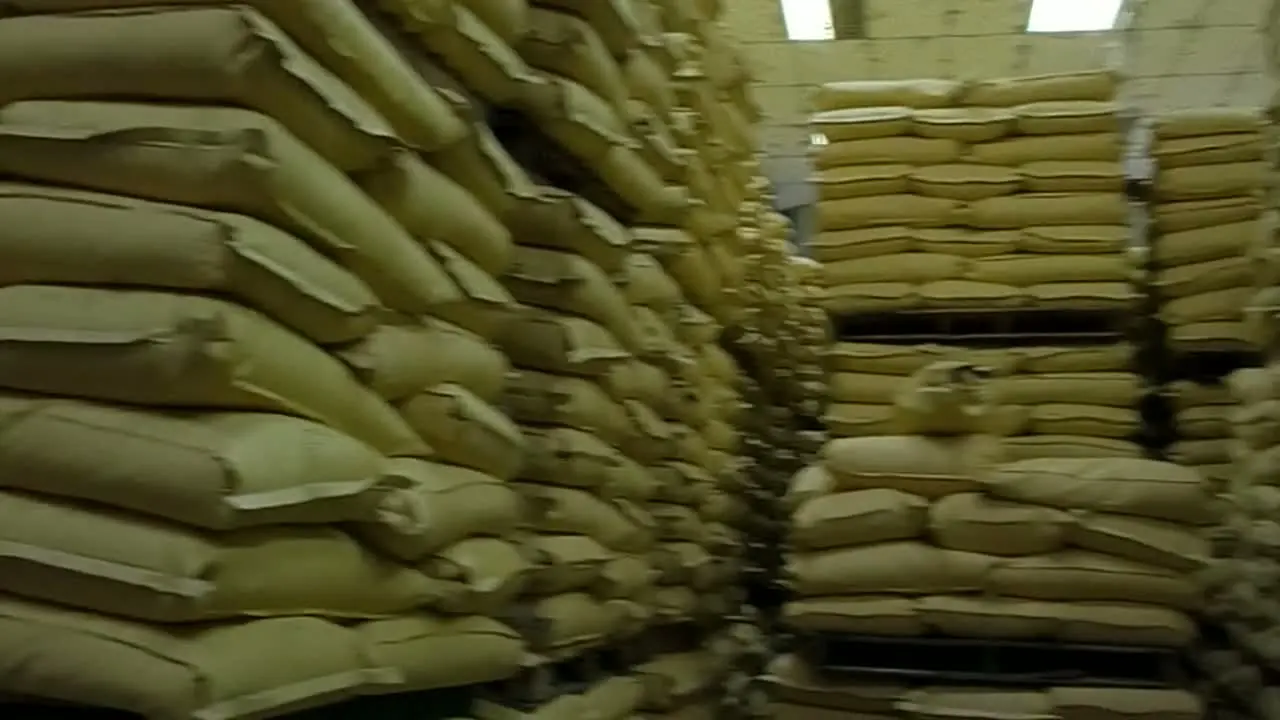
Bagged resin stacked in the warehouseStock
Own footage: bagged resin in the warehouse
→The production footage, station by station
  1. 01ScrapPlastic scrap heaped in the yard
  2. 02FlakeA loader tips crushed flakes onto the stockpile
  3. 03WashedFlakes churned through the washing line
  4. 04SortedA sorting machine; sorted flakes run into bulk bags
  5. 05ExtrudedMolten strands leave the extruder into cooling water
  6. 06PelletsFresh pellets cross a vibrating sieve
  7. 07BaggedPellets run from a silo into printed 25 kg bags

SC.05

Which documents come with Dayatas Profab resin and when?

Sources 5, 6, 7, 8

A datasheet generally lists a grade's typical values, each with the standard it was measured to. The melt flow rate is the mass of molten resin, in grams, pushed through a standard die in ten minutes at a set temperature and load (ASTM D1238, ISO 1133-1); a recycled resin's melt flow is a first guide to whether it will flow like the resin you run now. Izod impact strength (ISO 180) shows how much energy the material absorbs before it breaks, and density (ISO 1183-1) sets part weight and shot size.

Dayatas Profab's spec sheets, test reports and certification are to come. Each will be posted on quality and documents when it is issued; until then no datasheet value is quoted on this site. The production film is ready now.

Melt flow rate (MFR)
How easily the melt flows, in g per 10 min · ASTM D1238, ISO 1133-1
Izod impact strength
How much energy the material absorbs before it breaks · ISO 180
Density
Part weight and shot size · ISO 1183-1

SC.06

How do you order resin from Dayatas Profab?

→Your enquiry, line by line

  1. 01The resinABS, PS or HIPS, and the colour if it matters.
  2. 02The part you mouldA monitor housing, a cover, a casing: it shows what the resin must do.
  3. 03The quantityPer month or per shipment.
  4. 04The destination portWhere the bags need to arrive.
  5. 05The documents you needSpec sheet, test report, certification or the production film.

Send it as a buyer

Dayatas Profab sells its resin to buyers all around the world, including China and India, and replies to each enquiry with what is ready for the resin you name. Prices, minimum orders and lead times are not listed on this site; ask about them in your enquiry. Before you write, the questions buyers ask most and the guides on Insights may already answer yours.

SRCNumbered as they are cited in the margin of each chapter

Where do the material facts on this page come from?

  1. 01INEOS: styrenicsABS favoured for strength, scratch resistance and finish; HIPS the more durable polystyrene, used in household appliances such as refrigerators; polystyrene easy to process, used in electronics, appliances and toys
  2. 02Protolabs: ABSInjection moulding the most common process for ABS parts; electronics housings, automotive parts, appliances
  3. 03PlasticsEurope: thermoplasticsThermoplastics melt when heated, harden on cooling and can be reshaped repeatedly
  4. 04Wikipedia: Plastic recyclingReprocessing heat can degrade the polymer; sorting and washing; mixed input gives inconsistent properties
  5. 05ASTM D1238Melt flow rates of thermoplastics by extrusion plastometer
  6. 06ISO 1133-1:2022Melt mass-flow rate (MFR) of thermoplastics
  7. 07ISO 180:2023Izod impact strength of plastics
  8. 08ISO 1183-1:2025Density of non-cellular plastics

Two doors into Dayatas Profab A · buyers of resin   B · suppliers of scrap