Choose ABS for tough, glossy parts such as electronics enclosures and motorbike covers; HIPS for parts that take everyday knocks, such as appliance parts; and general-purpose polystyrene, as a material clear and rigid but brittle, for parts that do not need to take impact. Monitor housings, one of the two parts Dayatas Profab names, are moulded in ABS or HIPS. The datasheet of a specific grade settles the final choice.
Last updated
On this page5
Resin · own footage
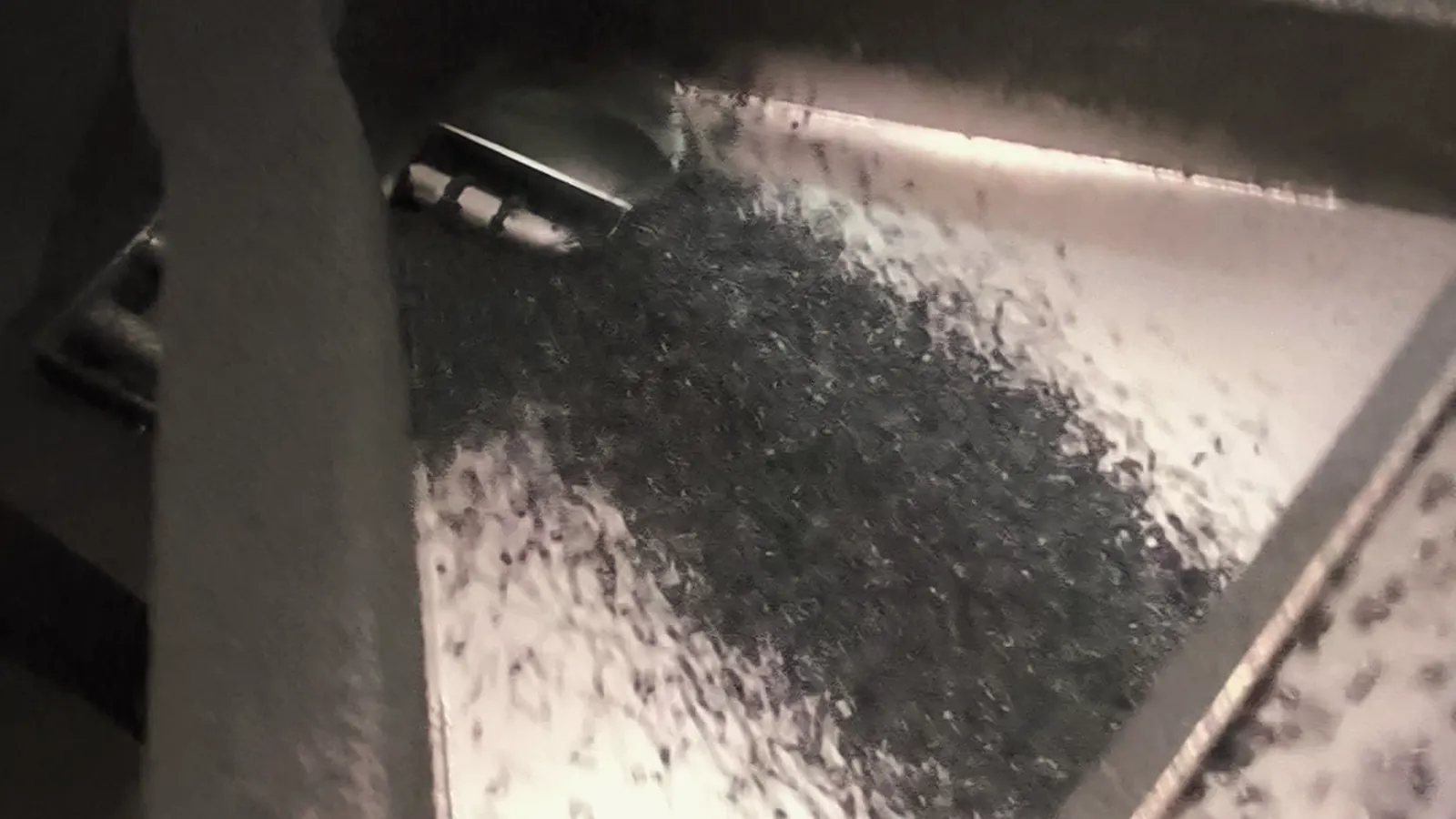
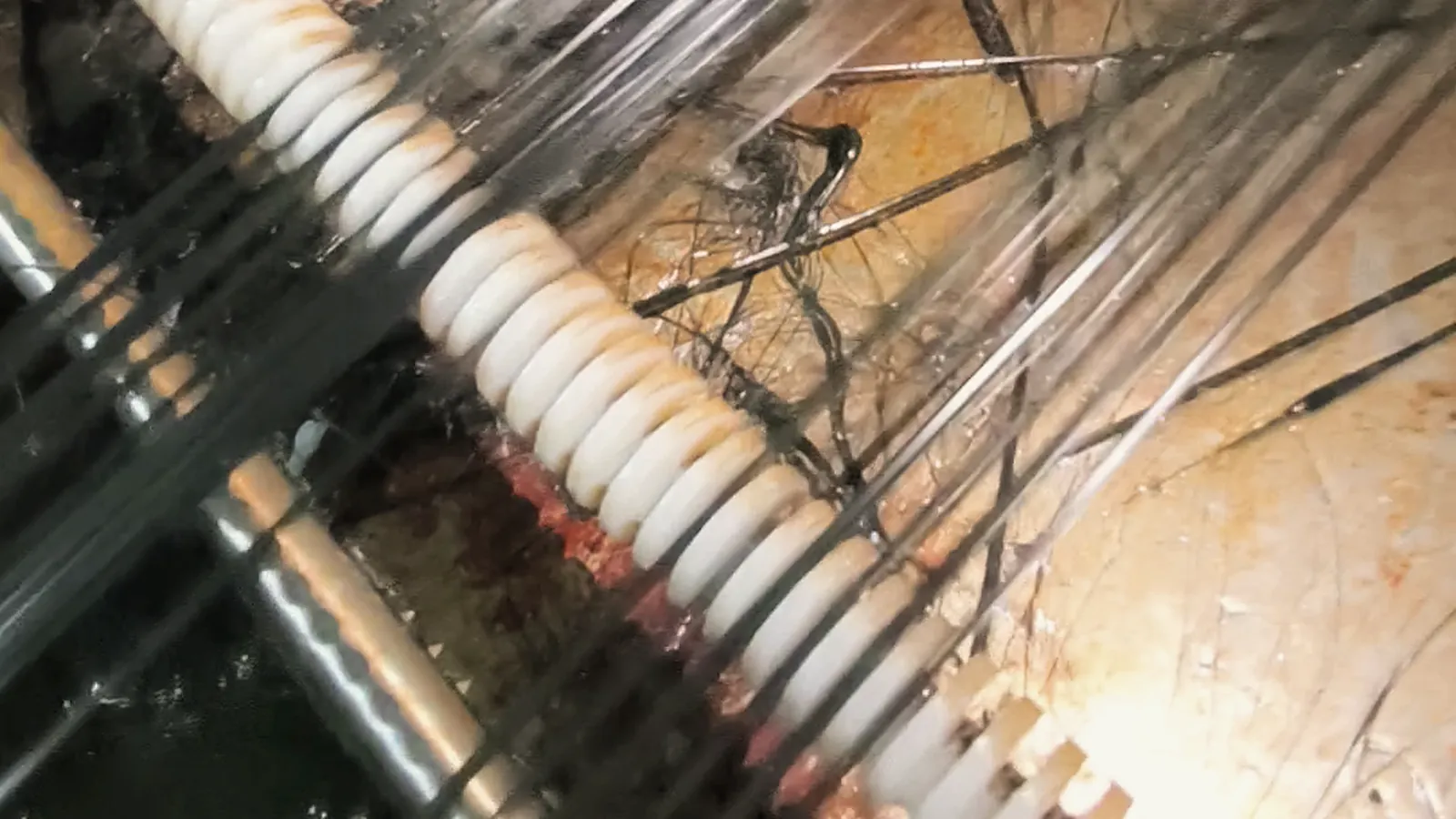
Own footage: pellets slide down a hopper
Parts moulded in ABS, PS and HIPS, the resin that usually goes into each, and the source (numbered at the foot of the page)
Monitor housings and motorbike covers are the two parts Dayatas Profab gives as examples of what moulders make with its resins. In general, monitor and other electronics housings are moulded in ABS or HIPS, and factory sport-bike fairings are commonly injection moulded in ABS. Both parts are large, on show and fixed with screws or clips, but they fail in different ways, so each asks the buyer for one different detail. Injection moulding is the most common way ABS parts are made, and ABS also goes into equipment casings and into automotive interior and exterior parts.
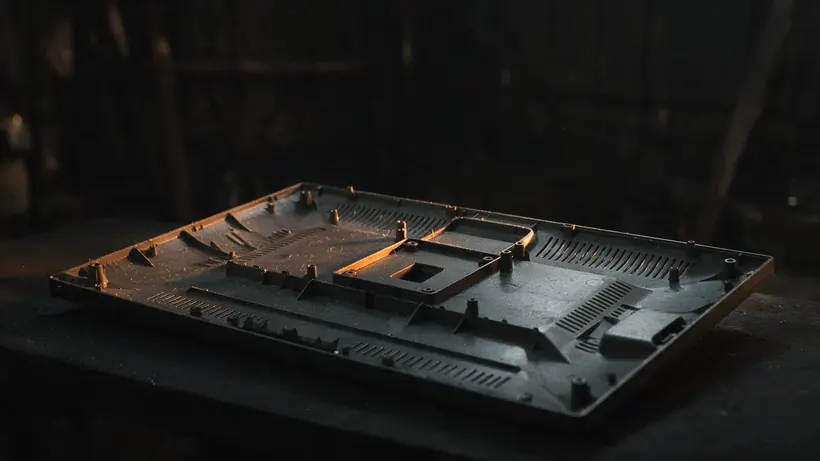
Illustration: a moulded monitor back housing
ABSHIPSGeneral use · sources 2, 3
State in the enquiryThe UL 94 rating the housing needs
Monitor housings
A monitor's back housing is a thin-walled shell with ribs, screw bosses and vents moulded in, and it has to look finished straight out of the tool. Electronics housings are a general use of both ABS and HIPS, and they are often specified to a UL 94 flame rating, which grades a material HB, V-2, V-1 or V-0, so the rating belongs in the enquiry. Dayatas Profab's two candidates are on recycled ABS resin and HIPS resin.
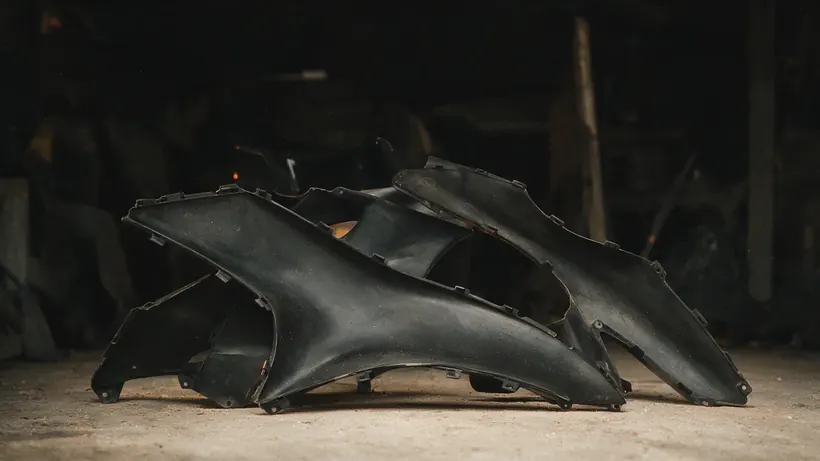
Illustration: unpainted fairing panels
ABSGeneral use · source 4
State in the enquiryColour, finish, and whether it lives outdoors
Motorbike covers
A fairing panel is large, curved and on show, and its clips must not crack it when it is fitted or knocked. On factory sport bikes, fairings are commonly injection moulded in ABS. Out in the sun, plain ABS discolours and turns brittle, so a cover is usually painted or protected, and the colour and finish go into the enquiry.
Household appliances use both ABS and HIPS: appliances are among ABS's primary uses, and HIPS goes into refrigerators.
The split follows where the part sits. A housing or panel on the outside of the appliance is seen and touched, so it points to ABS for its finish and scratch resistance. A part that is out of sight but takes everyday knocks needs toughness more than gloss, which is what HIPS offers over plain polystyrene. Which resin a given appliance part is moulded in is for its maker's drawing and datasheet to say. Dayatas Profab sells both resins; its HIPS is described on HIPS resin from Dayatas Profab. At the end of their life, appliances become scrap that Dayatas Profab is looking for, covered on home appliance plastic scrap.
→Where the part sits points to a resin (sources 1, 2)
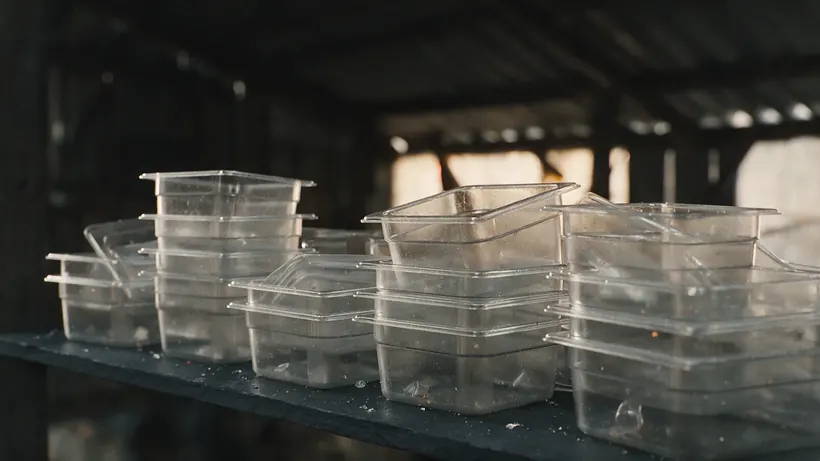
Start from the part: a case, a box or a tray that must stay rigid and is not expected to take impact. That is where general-purpose PS belongs. It is a transparent polymer suited to injection moulding, it holds its shape, and it is easy to process.
The same part fails in PS once it has to flex or take a knock, because general-purpose polystyrene is brittle. A clip, a hinge or a part handled roughly moves to HIPS, or to ABS if it also needs a glossy, scratch-resistant face. Dayatas Profab sells PS resin for injection moulding, and what is confirmed for it is on PS resin from Dayatas Profab.
Start from what the part must do, not from the resin. The table gives a first look for four common needs, drawn from the general properties of the three resins; the datasheet of a specific grade decides the rest, and Dayatas Profab's datasheets are to come.
A first look at which resin to start from (numbered sources at the foot of the page)
What the part must do
Look first at
Why
Source
Be see-through and rigid, with little impact
PS
General-purpose PS is transparent and hard, but brittle
2, 6
Take everyday knocks; the finish is not critical
HIPS
Its rubber phase improves impact strength over plain PS
1, 6
Look glossy, resist scratches and take knocks
ABS
Favoured for strength, scratch resistance and finish
1
Live outdoors in sunlight
ABSPainted or protected
Plain ABS discolours and turns brittle in sunlight
3
Flame rating. Meeting a flame rating is not a choice between resins: a UL 94 rating, from HB to V-0, belongs to a specific grade, so ask for the rating of the grade you are offered (source 5).
Monitors, appliances and vehicles do not stay in use for ever. At the end of their life, their housings, panels and covers become the kind of plastic Dayatas Profab is looking for: home appliance products, automotive plastic, crushed product and plastic scrap. It is looking for suppliers in Europe, America, Japan and Korea.
ABS, PS and HIPS are thermoplastics, so they can be melted and reshaped again. Dayatas Profab's own production footage shows crushed flake being washed and sorted, strands leaving an extruder, and pellets, ready for a moulder to make a new part. That is the loop: from product to resin, and back to product. Every step is on how Dayatas Profab's resin is made.
Own footage: cooled strands run past the conveyor screw
→From product to resin, and back to product
Monitors, vehicles and appliances at the end of their life
01Product
Crushed, washed and sorted
02Flake
Melted and drawn into strands
03Extruded
Cut into pellets and bagged
04Resin
Moulded again by an injection moulder
05New part
Back to 01: the new part is used, scrapped and recovered again
SRCNumbered as they are cited in the margin of each chapter
Where do the material facts on this page come from?
01INEOS: styrenicsABS favoured for strength, scratch resistance and finish; injection moulded; automotive parts, consumer electronics, household appliances. PS from styrene; two types, GPPS and HIPS; easy processability; HIPS the more durable plastic, in household appliances such as refrigerators
03Protolabs: ABSInjection moulding the most common process for ABS parts; housings and equipment casings, automotive interior and exterior components, appliances; ABS degrades in sunlight and UV, turning brittle and discoloured
06Wikipedia: PolystyrenePolystyrene hard and brittle; HIPS a polystyrene matrix with a dispersed rubber phase, polystyrene chains grafted to the polybutadiene