Source 01
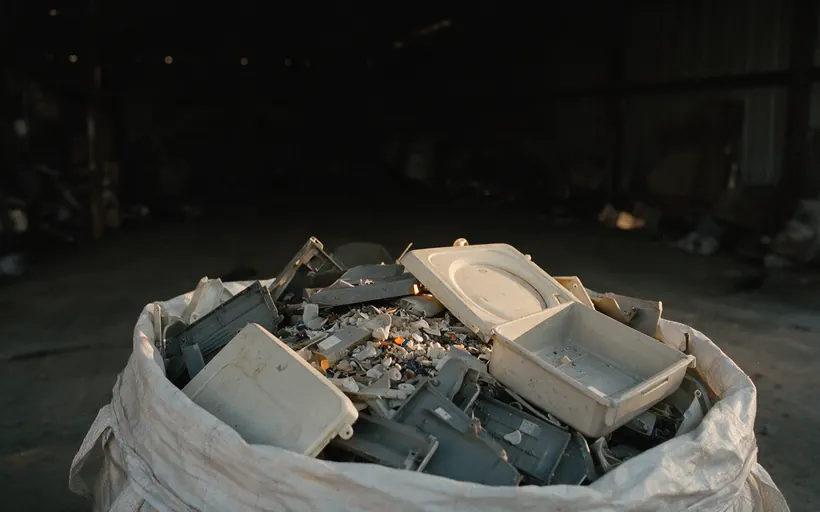
Home appliance plastic
Housings, refrigerator parts, covers and trays from scrapped household appliances, whole or crushed.
- Best fit
- ABS · HIPS · PS
- Comes as
- Whole, baled, crushed
 Enquire
INFor suppliers · plastic scrap
Dayatas Profab, a Malaysian resin company that sells ABS, PS and HIPS, is looking for suppliers of home appliance plastic, automotive plastic and crushed product in Europe, America, Japan and Korea. Malaysia admits such scrap only with a SIRIM approval, one polymer per lot, from Basel Convention parties or countries with an arrangement with Malaysia. EU rules ban plastic waste exports to non-OECD countries such as Malaysia from 21 November 2026.
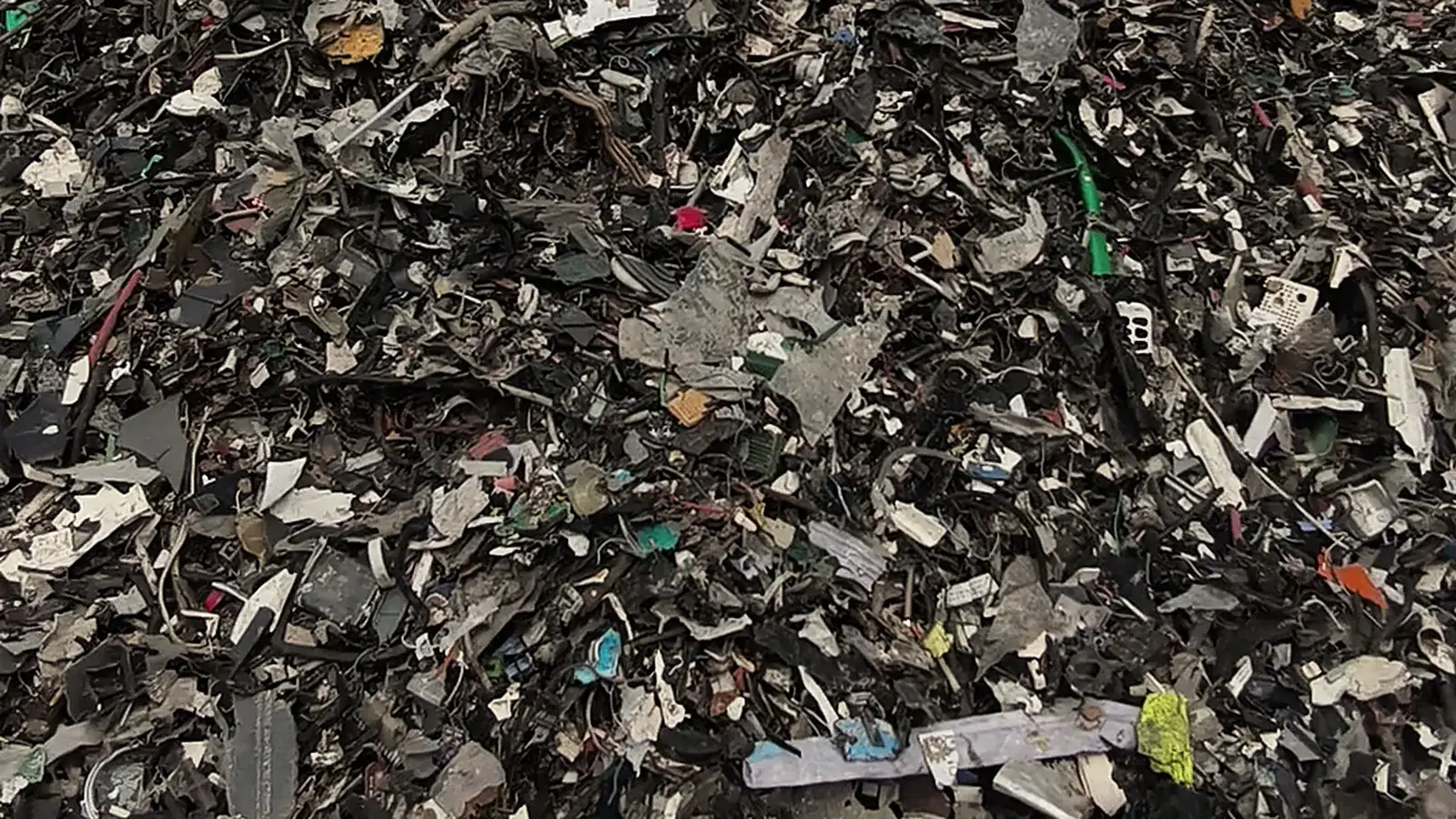 Intake · own footage
INWhere Dayatas Profab is looking for suppliers, and the rule that decides
Rules checked
SC.01
Dayatas Profab looks for plastic scrap from three sources: home appliance products, automotive plastic and crushed product.
The company sells ABS resin, PS resin and HIPS resin to injection moulders, so scrap of those three polymers suits it best. Malaysia admits them only as clean, single-polymer lots [3], so offer each polymer as its own lot. Not sure what a material is? Say so in the offer, and ask what can be told from your photos and the markings on the parts.
Home appliance plastic scrap and automotive plastic scrap each have a page with the parts wanted and how to prepare them; crushed product is covered below. Words such as bale and regrind are defined in the plastic resin and recycling glossary.
Malaysia's rule
One polymer per lot, 99.5% or more.
Why it matters
ABS, PS and HIPS cannot be imported into Malaysia as a mixed load; only PE, PET and PP may come mixed [3].
Source 01
Home appliance plastic
Housings, refrigerator parts, covers and trays from scrapped household appliances, whole or crushed.
Source 02
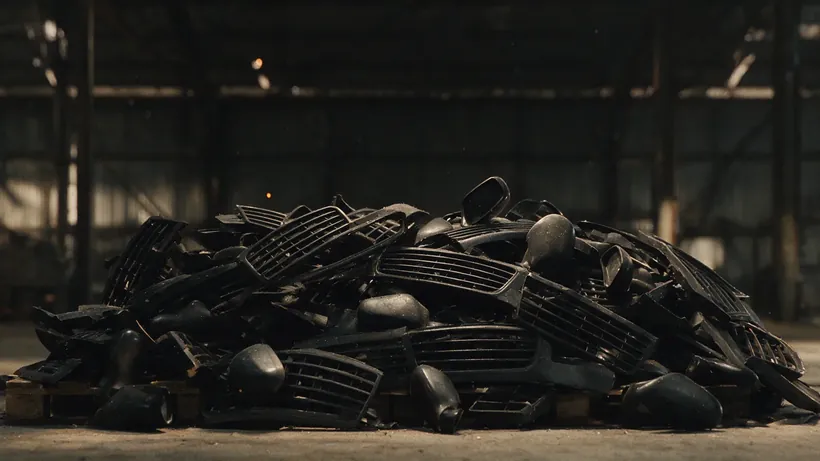
Automotive plastic
Plastic parts from dismantled cars and motorbikes, such as grilles, mirror housings, trim and fairings.
Source 03
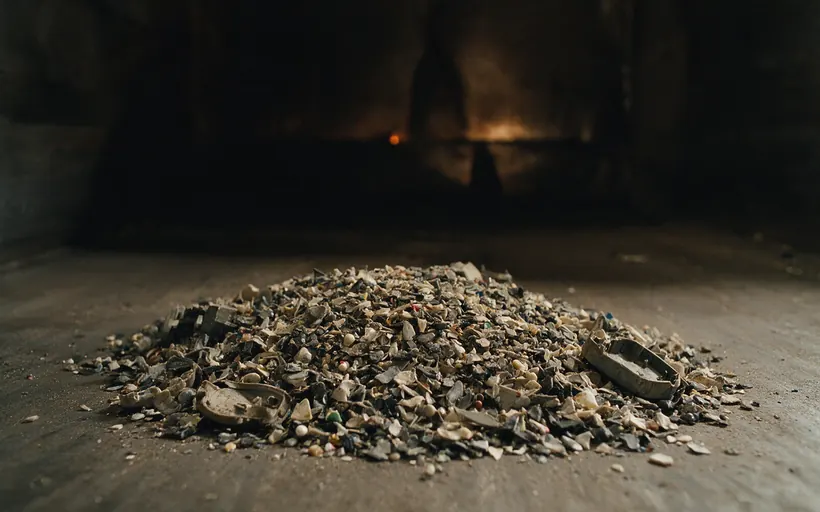
Crushed product
Plastic products and parts already put through a crusher: flake or regrind, one polymer per lot.
SC.02
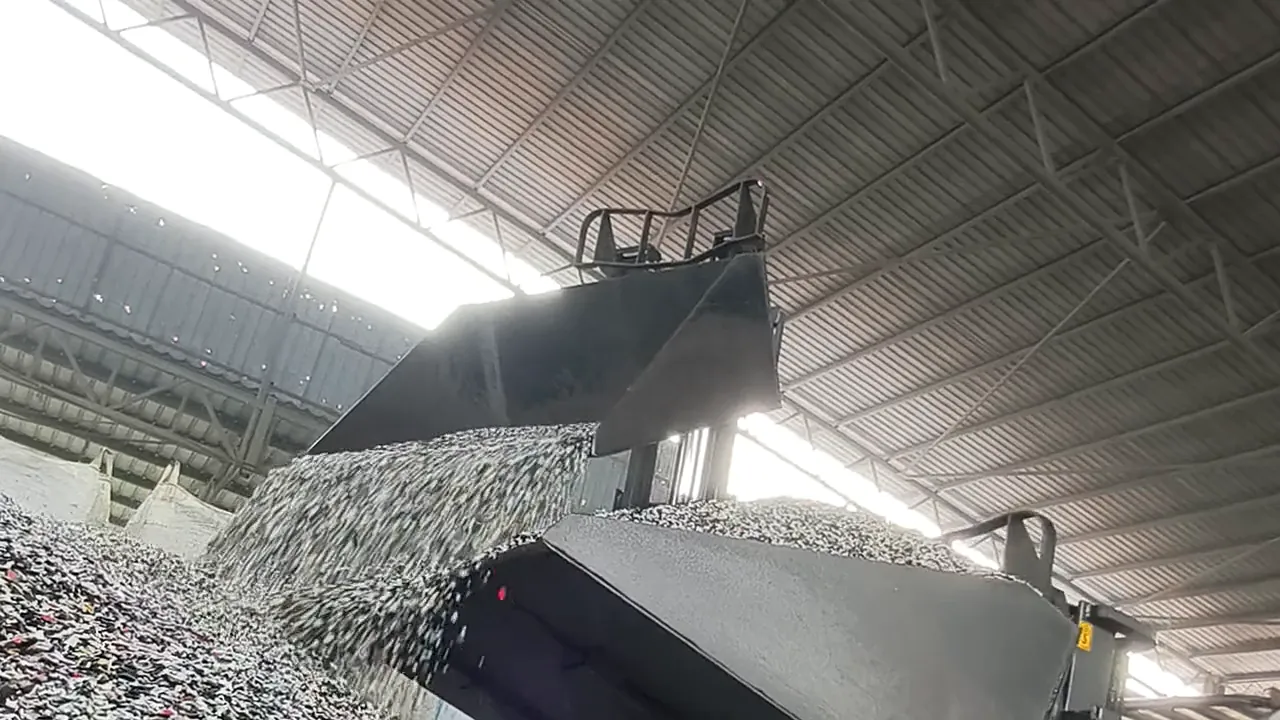
Crushed product is plastic that has already been through a crusher or granulator: products and parts broken down into flake or regrind before they are sold on. Dayatas Profab treats crushed product as one of its three scrap sources, next to home appliance and automotive plastic. Crushed material packs denser than whole parts, but it hides what it was made from, so an offer of crushed product has to say more.
Plastic for recycling is sorted by polymer type and colour, ground into flakes and washed, and mixed or contaminated material gives inconsistent properties [7]. Tell Dayatas Profab four things about a crushed lot:
 Crushed · own footage
SC.03
Appliance recyclers, vehicle dismantlers, crushing operations and scrap traders usually hold the plastic scrap Dayatas Profab is looking for.
Dayatas Profab wants suppliers in Europe, America, Japan and Korea. Dismantlers take the plastic parts off end-of-life vehicles; traders sell scrap on in bales or bulk bags. A business that is none of these but holds plastic from one of the three sources can offer it the same way.
Outside the four regions
Say the country, the town and the port the material would ship from: Malaysia admits waste plastic only from Basel Convention parties or countries with an arrangement with it [3].
| Holder | What they hold | Usual form |
|---|---|---|
| Appliance recyclers | Plastic separated from scrapped household appliances | Whole parts, bales, crushed |
| Vehicle dismantlers | Plastic parts from end-of-life cars and motorbikes | Whole parts |
| Crushing operations | Products and parts already crushed | Flake, regrind |
| Scrap traders | Scrap gathered from several sources | Bales, bulk bags |
SC.04
A scrap offer that Dayatas Profab can judge quickly answers the seven questions on the sheet.
None of them needs a laboratory: say what you know and mark what you do not. Photos matter most, because they show the form, the colour mix and how clean the material is better than any description; say that you have them, and ask where to send them. Say whether the lot is sorted, and mention any test results you hold.
Prices and lot sizes are agreed for each offer, once Dayatas Profab has confirmed the material fits; none of them is listed on this site. The supplier door of the enquiry form asks for the source; everything else goes in its message box.
Scrap offerTo: Dayatas Profab · Malaysia
Price and lot size: agreed for each offer, once the material fits
SC.05
Dayatas Profab's own production footage shows scrap crushed, washed, sorted, extruded, pelletised and bagged.
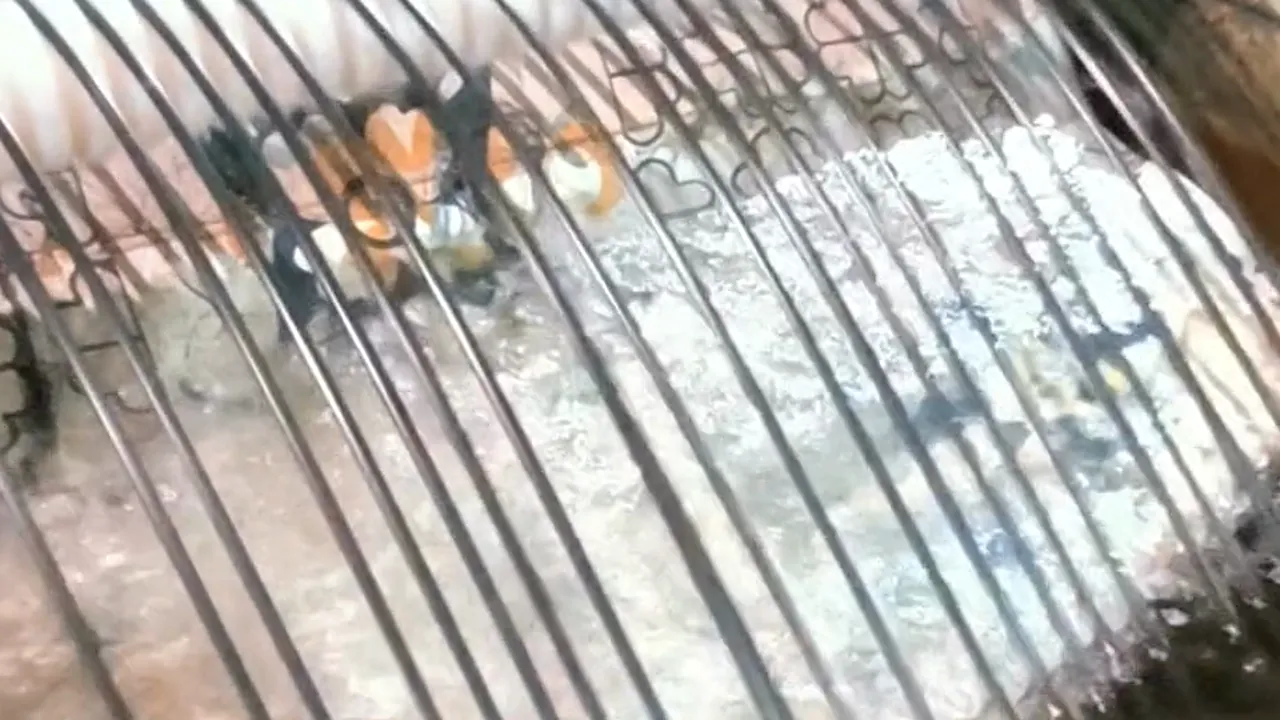
Crushed flakes are washed and sorted, melted and pushed through an extruder, cut into pellets and bagged. The finished bags of ABS are printed ABS RECYCLED PELLET / MADE IN MALAYSIA / NET WEIGHT 25KG. So the polymer and how clean the scrap is matter: what goes into the washing line decides what a moulder gets out of the bag. Every step, with the film, is on how Dayatas Profab's recycled ABS is made, and the documents buyers ask for are on quality and documents.
 Extruded
SC.06
Rules checked
Dayatas Profab looks for plastic scrap from abroad, so the Basel Convention plastic waste entries decide how an offer can move.
The Basel Convention controls the movement of plastic waste across borders among its parties [9]. Its plastic waste entries sort scrap into three kinds, and which one a lot falls under depends on what the material is and how clean and sorted it is. The terms are explained under Basel Convention and prior informed consent in the glossary.
Prior informed consent
The importing country, and any country of transit, consents to a shipment before it moves; the glossary has the full term.
| Entry | What it covers | Crossing a border |
|---|---|---|
| Basel plastic waste entries, in effect since 1 January 2021 [8] | ||
| A3210 | Plastic waste presumed to be hazardous. | Prior informed consent needed. |
| B3011 | Plastic waste presumed not hazardous, for environmentally sound recycling and almost free from contamination. | No Basel consent; the importing country's own rules still apply. |
| Y48 | Other plastic waste, mixtures included. | Prior informed consent needed; Malaysia lets it in only with consent approved by its Department of Environment [3]. |
SC.07
Rules checked
Dayatas Profab can only take plastic scrap that Malaysia's import rules admit, so the importing country comes first.
The rules of the exporting country apply as well, and for two of the four regions they change the answer. Tell Dayatas Profab your country and route; we will tell you what we know. Our licensing documents are to come and will be published on quality and documents.
Europe
Wanted; EU exports banned from 21 November 2026.
Malaysia, the importing country
A SIRIM Certificate of Approval since 1 July 2025 [10], held by a manufacturer licensed for the material. Clean, one polymer at 99.5% or more (only PE, PET and PP may come mixed), other materials at most 2%, no e-waste, and an inspection before shipment [3].
SIRIM
From the European Union
Plastic waste exports to non-OECD countries are banned from 21 November 2026 [1]; Malaysia is not an OECD member [2]. In a European country outside the EU? Name it and ask.
From 21 Nov 2026
From the United States
Not a Basel Convention party; Basel parties cannot trade Basel-controlled plastic scrap with it without a separate agreement [4]. So a US seller would need the agreement or arrangement route with Malaysia [3], and should ask.
Not a Basel party
From elsewhere in the Americas
Malaysia admits waste plastic only from Basel Convention parties [5] or countries with an agreement or arrangement with it [3]: name your country in the offer.
Name the country
From Japan or Korea
Both are Basel Convention parties [5] and OECD members [2]: the Basel entries above and Malaysia's rules apply.
Basel parties
SC.08
Dayatas Profab reads scrap offers and replies on whether the material fits its resin.
If it does, the next step is the route: your country and port against Malaysia's import rules, and the documents a shipment would need. Before you write, the questions scrap suppliers ask and the guides for suppliers on Insights may already answer yours.
Phone, email and WhatsApp for this site are still to come, so today the enquiry form is the way in.
SRCSources · checked
Two doors into Dayatas Profab B · suppliers of scrap A · buyers of resin